Notes on Manchu Arrows
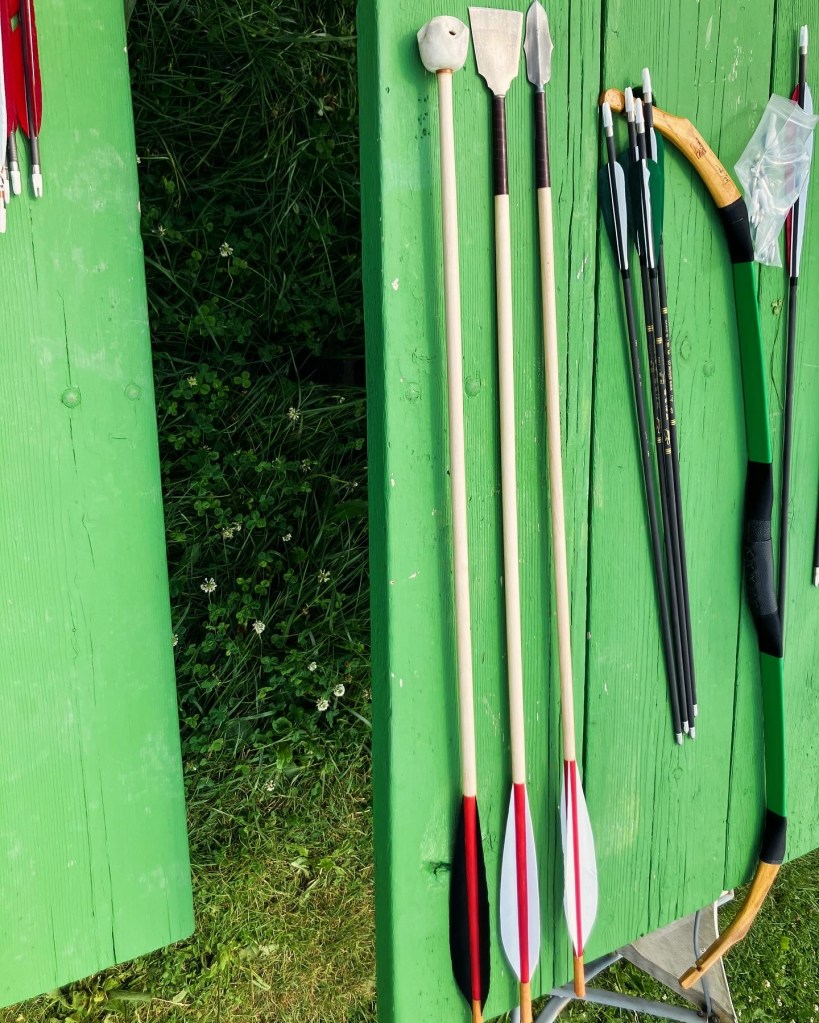
The Manchu arrows have some unique features that make it quite recognizable when compared to arrows from other cultures. Often time, some archers would joking say that the Manchu arrows are not simple arrows but small spears. Here are examples of these trademark features:
1.) Long shaft,
2.) Barrel shaped shaft,
3.) Long fletching, and
4.) Longer or shorter shaft length between the fletching and the nocks.
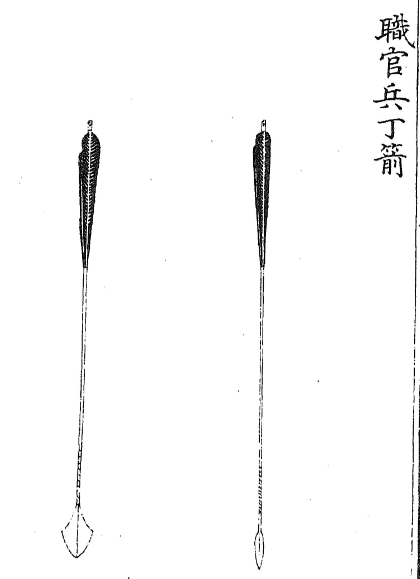
We can find a description of Manchu arrows in Volume 14 of the Illustrated Standard of Imperial Ritual Objects (Huang Chao Liqi Tushi 皇朝禮器圖式) compiled during the reign of Emperor Qianlong, and it said:
“According to the standards of our Dynasty, the arrows of military officers and soldiers shall be made from 3-chi (approx. 90cm or 96cm) long Hua Mu (桦木 birch wood)or Liu Mu (柳木 willow wood) shafts with 3-cun (3cm or 3.2cm) long arrow heads. The tips of the shaft shall be decorated with birch barks and fletched with the feather of Guan Bird (鹳, Stork?). The name and rank of the soldier and officer is to be inscripted on the space between the fletchings.”
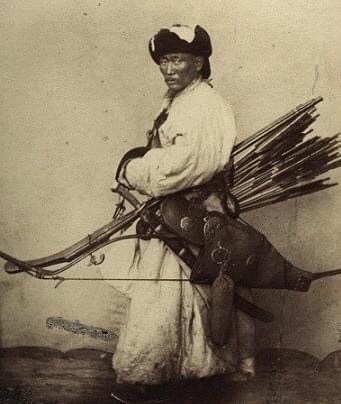
Although not mentioned, we know the shaft are barrel shaped, i.e., tapering from the center of the shaft toward its two ends. This allows rigidity (strong spine in modern archery) and maintaining a balance weight center. Both the barrel shaped design and long fletching are obvious based on actual artifacts and photographs.
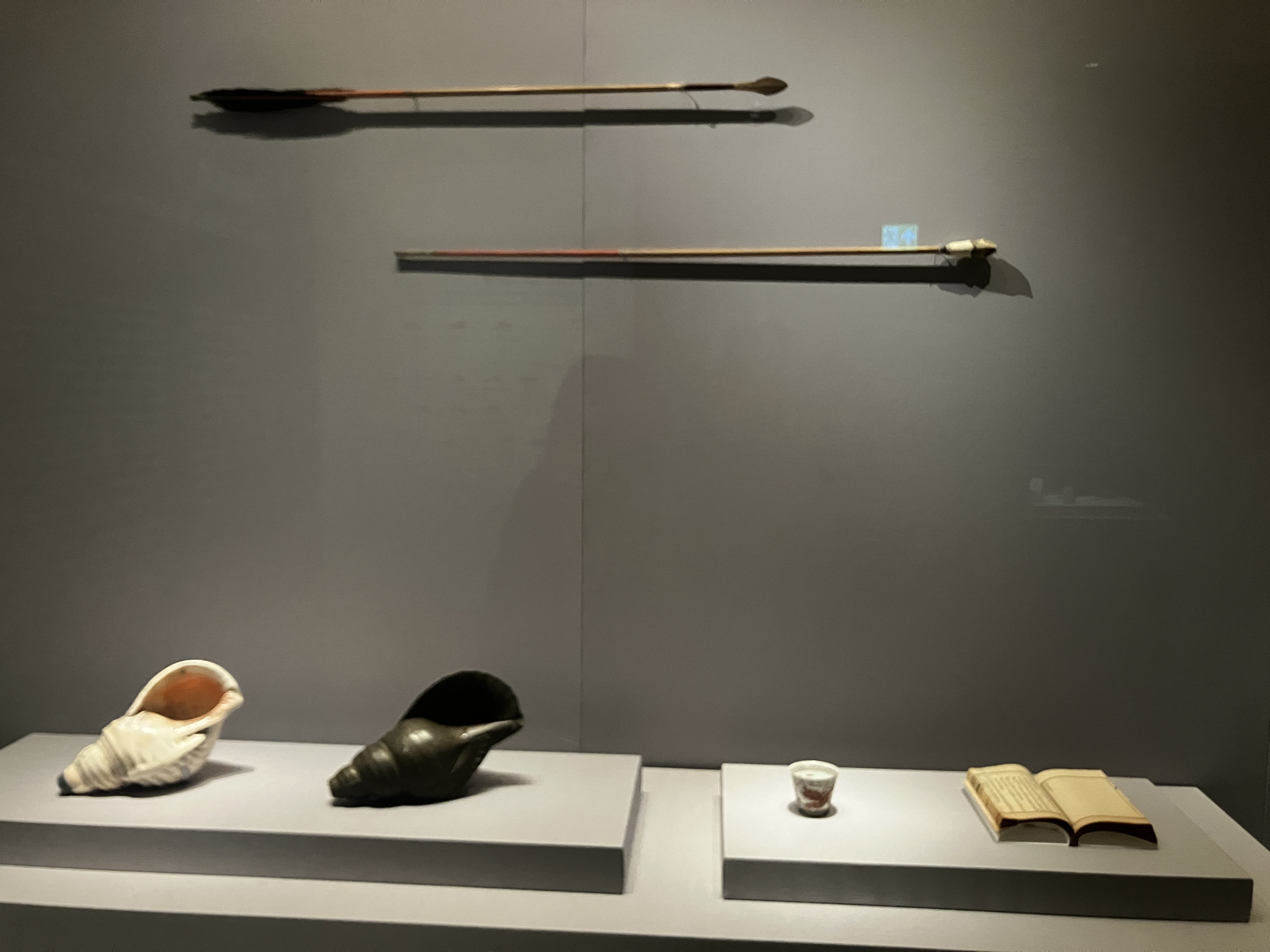
Another example can be found in the form British Colony in the Hong Kong Ping Shan Tang Clan Gallery, which has a set of ten well preserved late Qing arrows that are typical to the officers and soldiers category. These arrows are approximately 90cm in length, 34cm with fletching and the nock end, 2.5cm between end of fletching and the nock end.
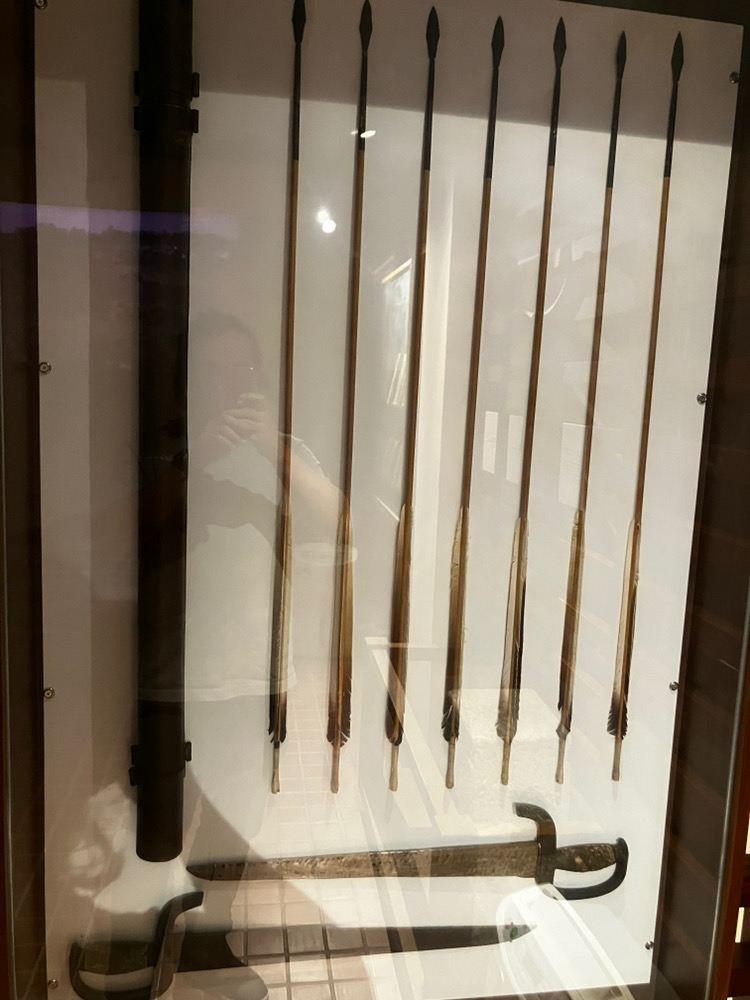
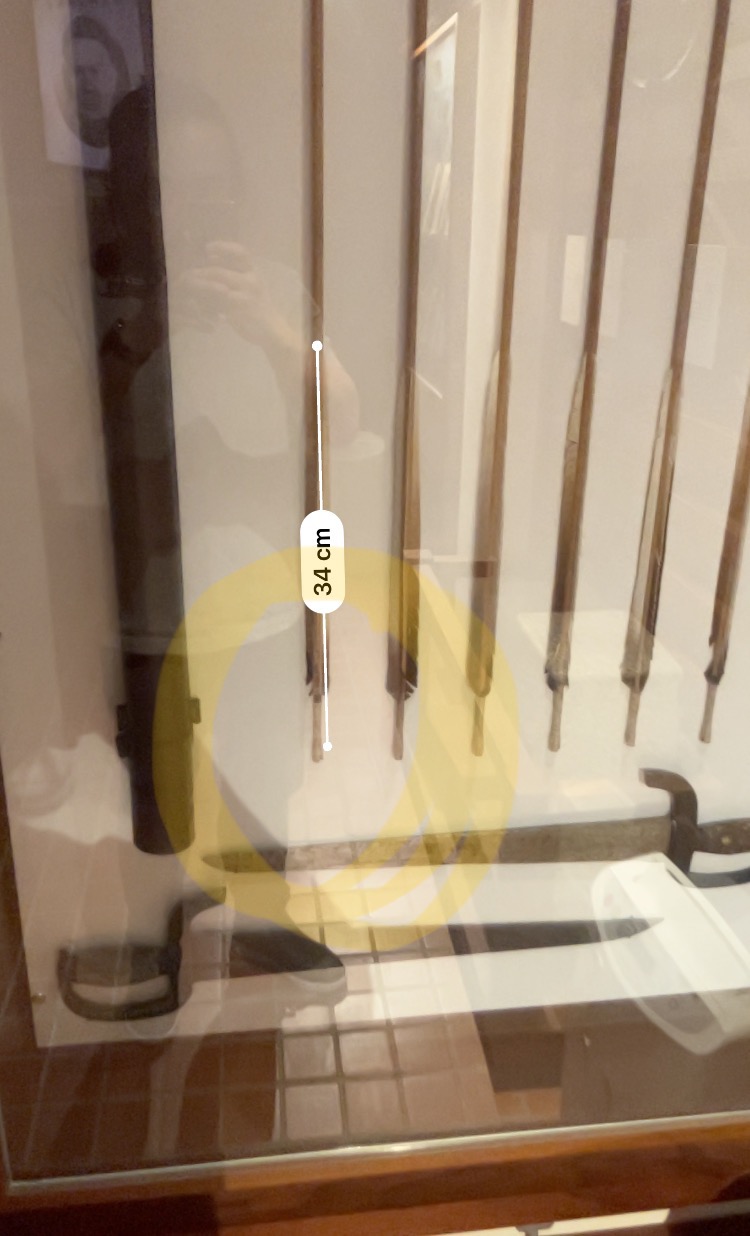
I would also like to propose a speculation here regarding the distance from the fletching end to the nock end. The specimen from the Tang Clan shows a fairly long distance of approx. 2.5cm and photos which match arrows from other photos shown below, but at the same tine there are also historical examples and recent traditional replica that are much shorter. The speculation is that the different distances might have something to do with the use of Tiao-Gua vs Dan-Gou technique when using the Manchu cylindrical thumb ring.
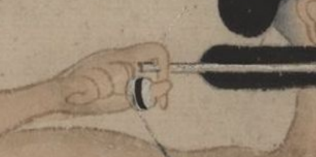
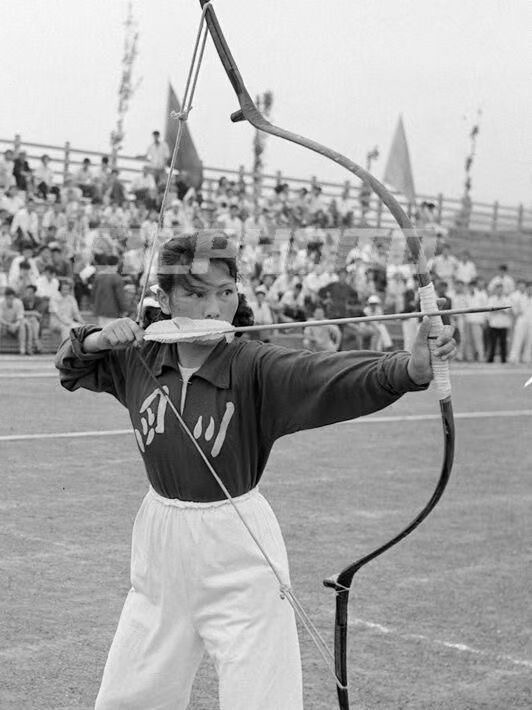
When the Tiao-Gua is used, there are risk of damaging the fletchings if there is not enough distance because much of the index finger presses against the shaft. In the case of a Dan-Gou technique, the contact between the shaft and index finger is much less and a shorted fletch to nock disntance can be used.
Now let’s bring the focus back to ourselves, today’s Manchu bow archers. There are no doubts that majority of us would like to embody martial spirit of the olds, but we do live in a differen time. There are craftsmen from China that are producing replica of Manchu arrows using traditional materials. Below are some collected by members of the Canadian Chapter crafted by well-known artist such as Hu Lei.
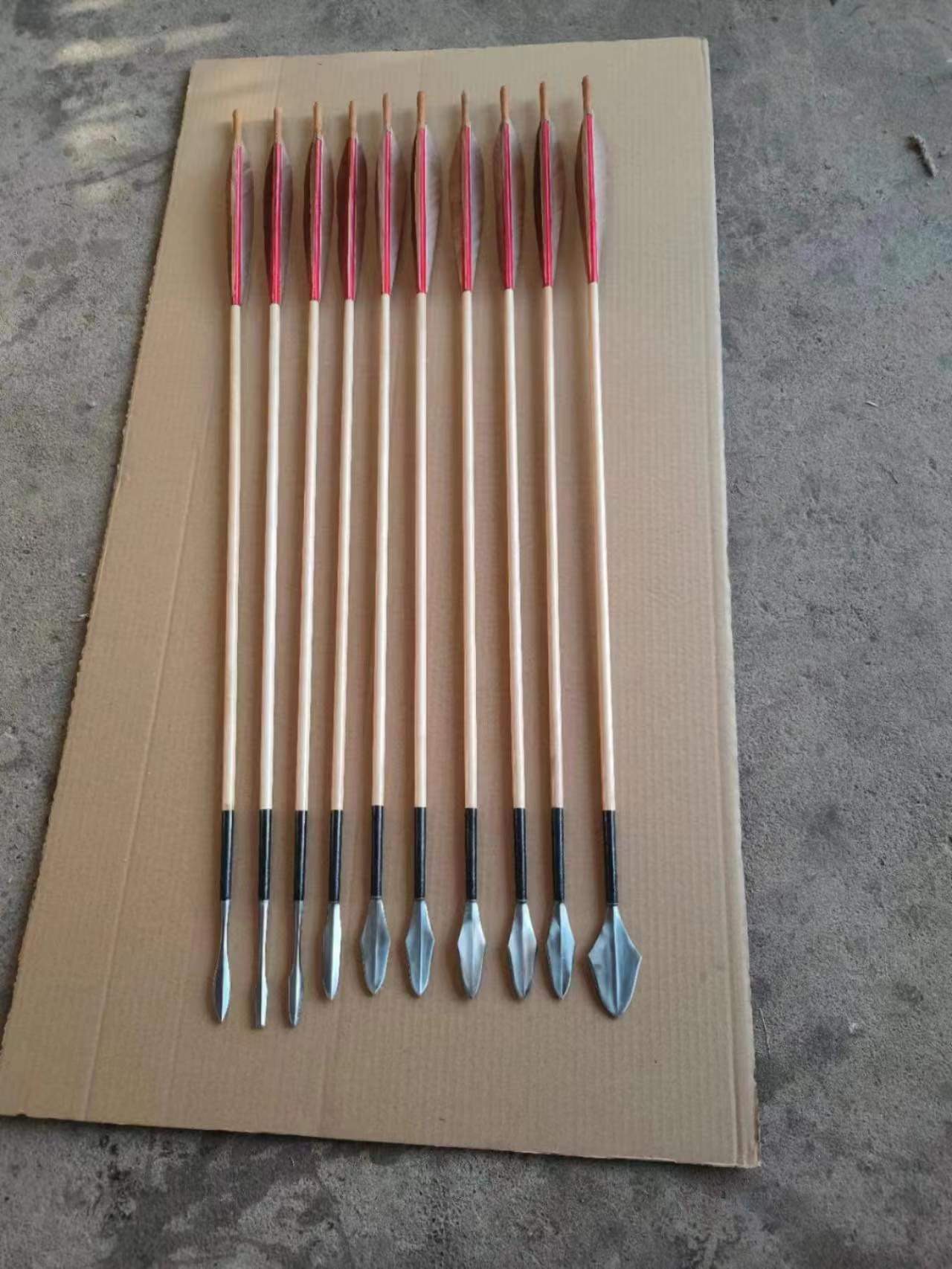
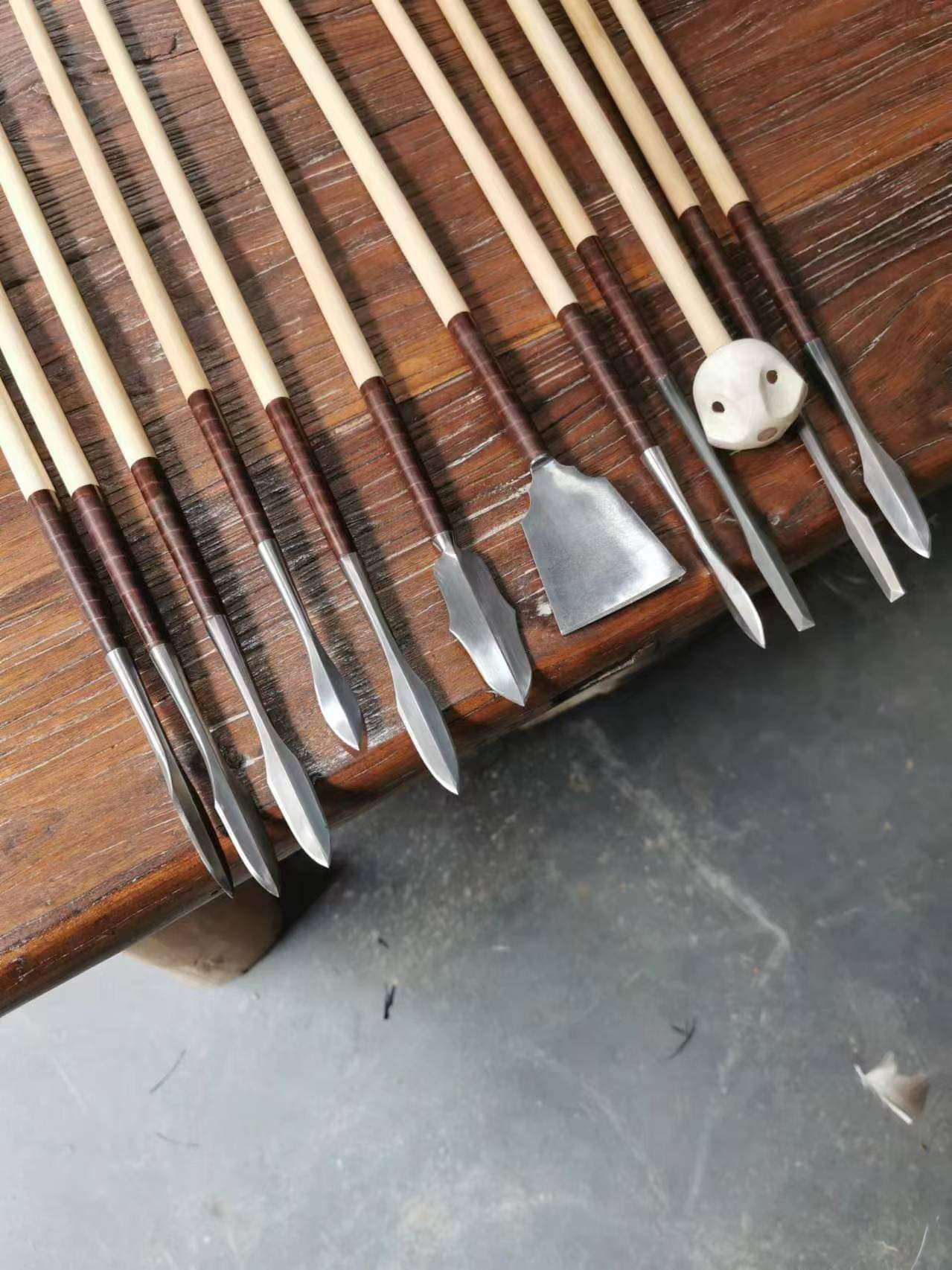
They are fully functional and we occasionally shoot them. However, craftsmen have became a rare breed; these arrows are becoming collectibles and no longer the expendables that they once were. Luckily, suppliers of modern Manchu, such as Alibow, have been producing carbon shaft arrows; and they already have few lines of Manchu arrow products available. I can testify (and I believe most would do the same) that they are good arrows for the price, and their design provide a good “Manchu experience” with the long fletching and heavy arrow heads.
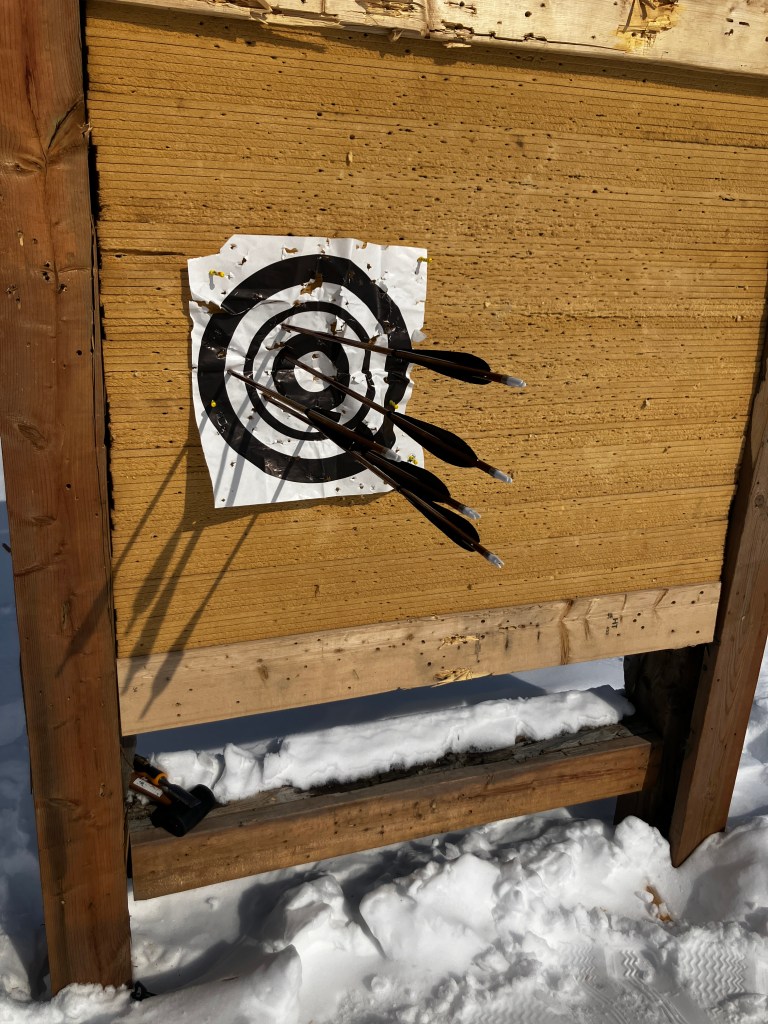
In a next article, I would like to introduce Kevin Xu, the owner of Caroline Armory, and his quest of producing a new generation of Manchu arrows that are traditional but modern. Stay tuned!
This article was written as I am traveling to Hong Kong and then Chongqing to see Mr. Li Qingyang. My apologies for writing slowly lately. The Gu Hao series and Li Qingyang series will continue to be updated; and there are plans for several other short articles coming up.
 International Manchu Archery Association 国际清弓协会 Gurutengge Manju Gabtan i Isanun
Leave a comment