Manchu Archery Facilities: Historical Context and Modern Practice
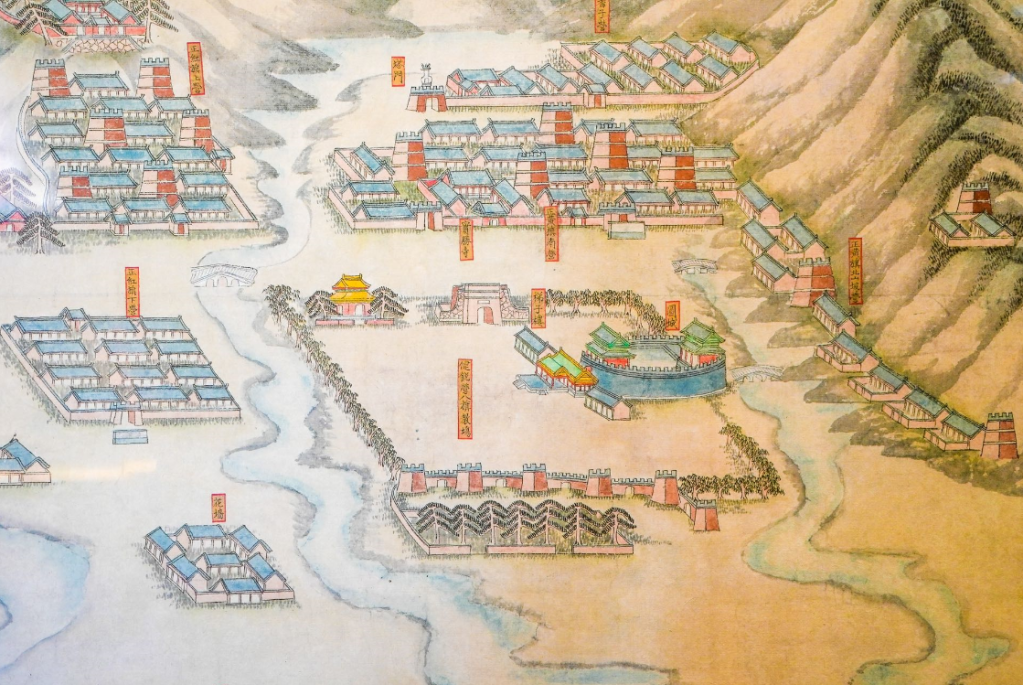
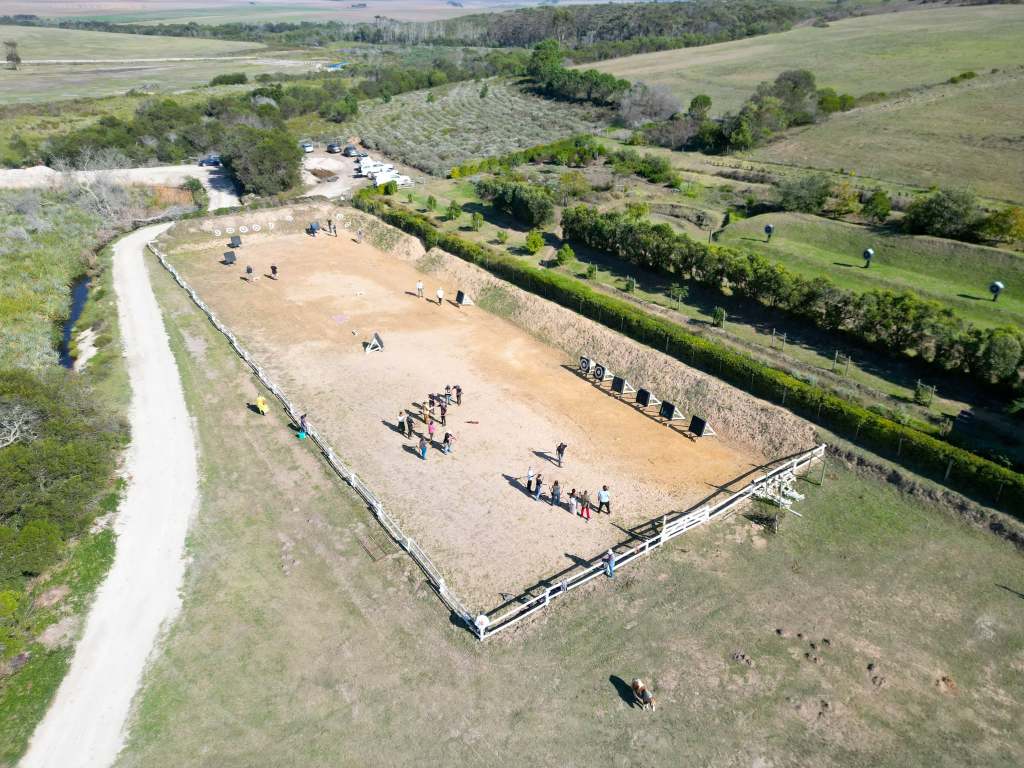
In the Qing dynasty, formal archery grounds used for training and for evaluating military skill were known as wuchang (武场), waichang (外场), and jiaochang (校场). These terms can be loosely translated as martial ground, outer ground, and drill ground. As their names suggest, these were outdoor military facilities. At the same time, historical records show that archers also practiced on private grounds. Few private training grounds in Hong Kong have survived into the present day even though traditional martial training has long faded from daily life. Traditional trainings included archery, stone lifting, and heavy halberd maneuvers.
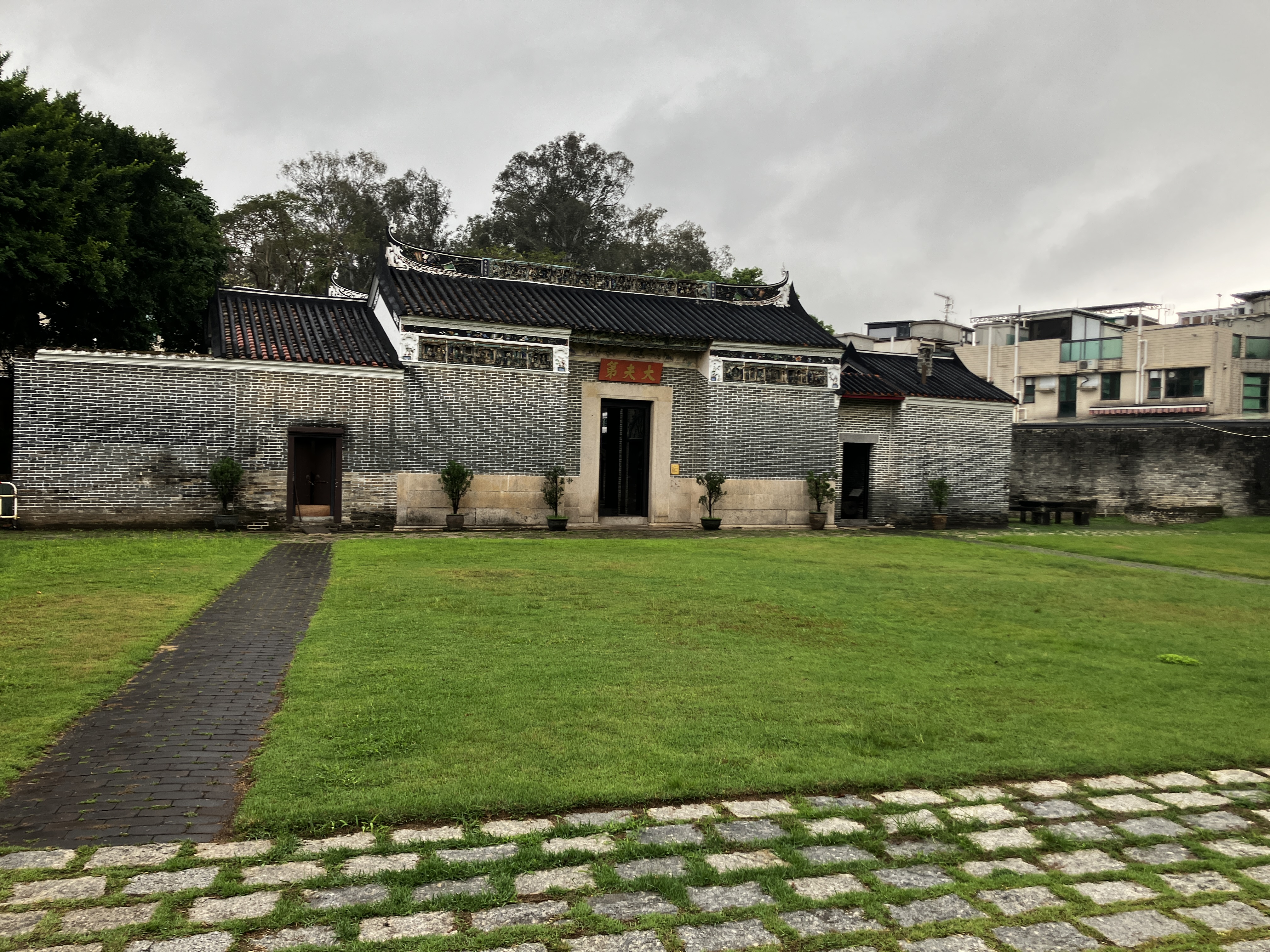
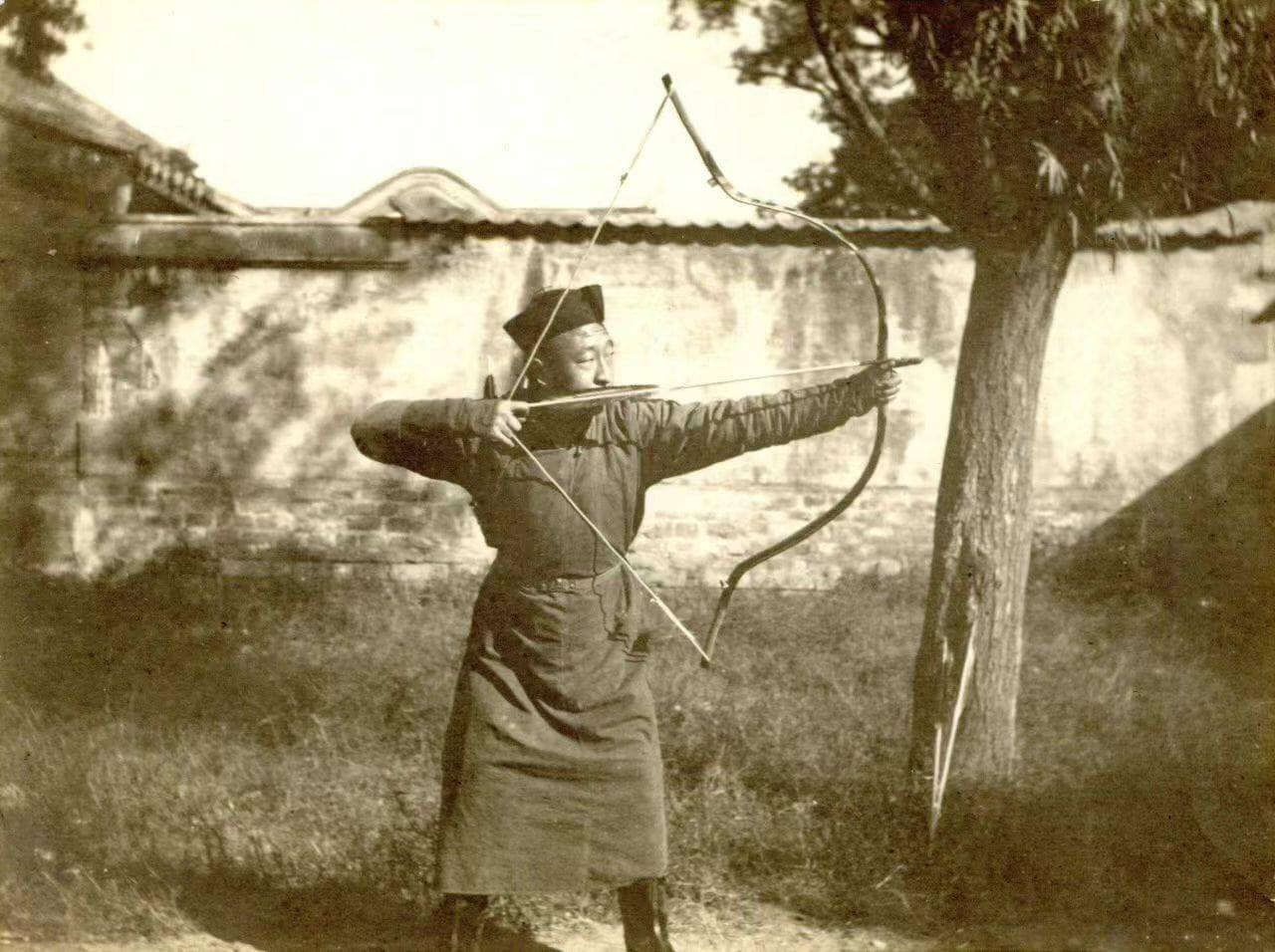
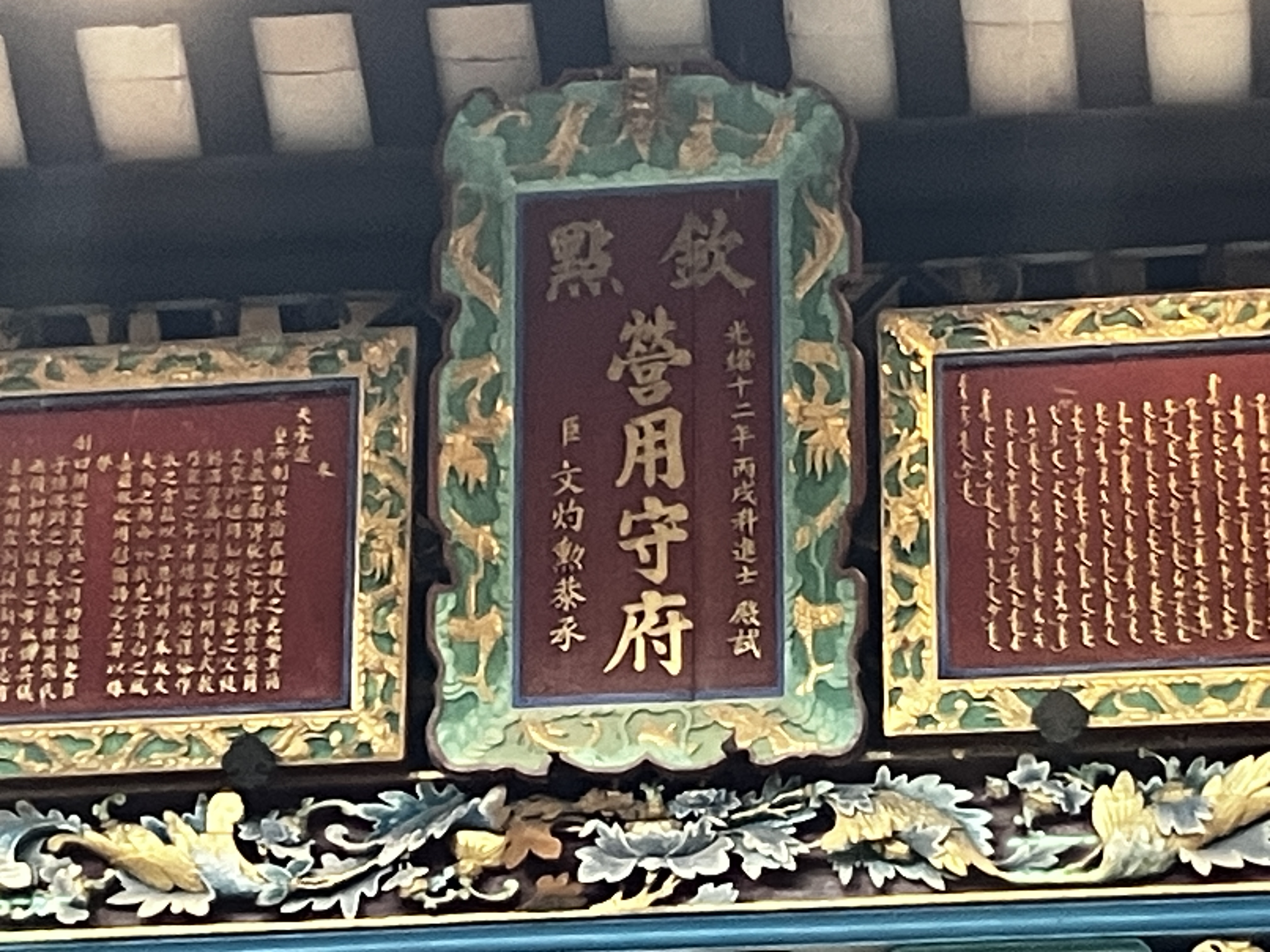
The field is part of Dafu Di, an estate of the Man Family in Hong Kong known for producing military gentry. Their father and sons received official Manchu-Han bilingual praises given by the Qing government. An image of a person (not from HK) practicing in a similar facility.
Today, modern practitioners of the Manchu bow train in indoor ranges (sometimes at home) or at outdoor facilities designed for contemporary archery. The goal of this guide is to offer practical advice for establishing your own Manchu Archery Facility, drawing on the experience of the Canadian and South African Chapters, as well as information from Qing and Republican-era sources.
Indoor Training
Regular warm‑ups and strength‑bow exercises at home are excellent for refining form. You are encourage to train for flexibility and strength at home with stretches and using the strength bow.
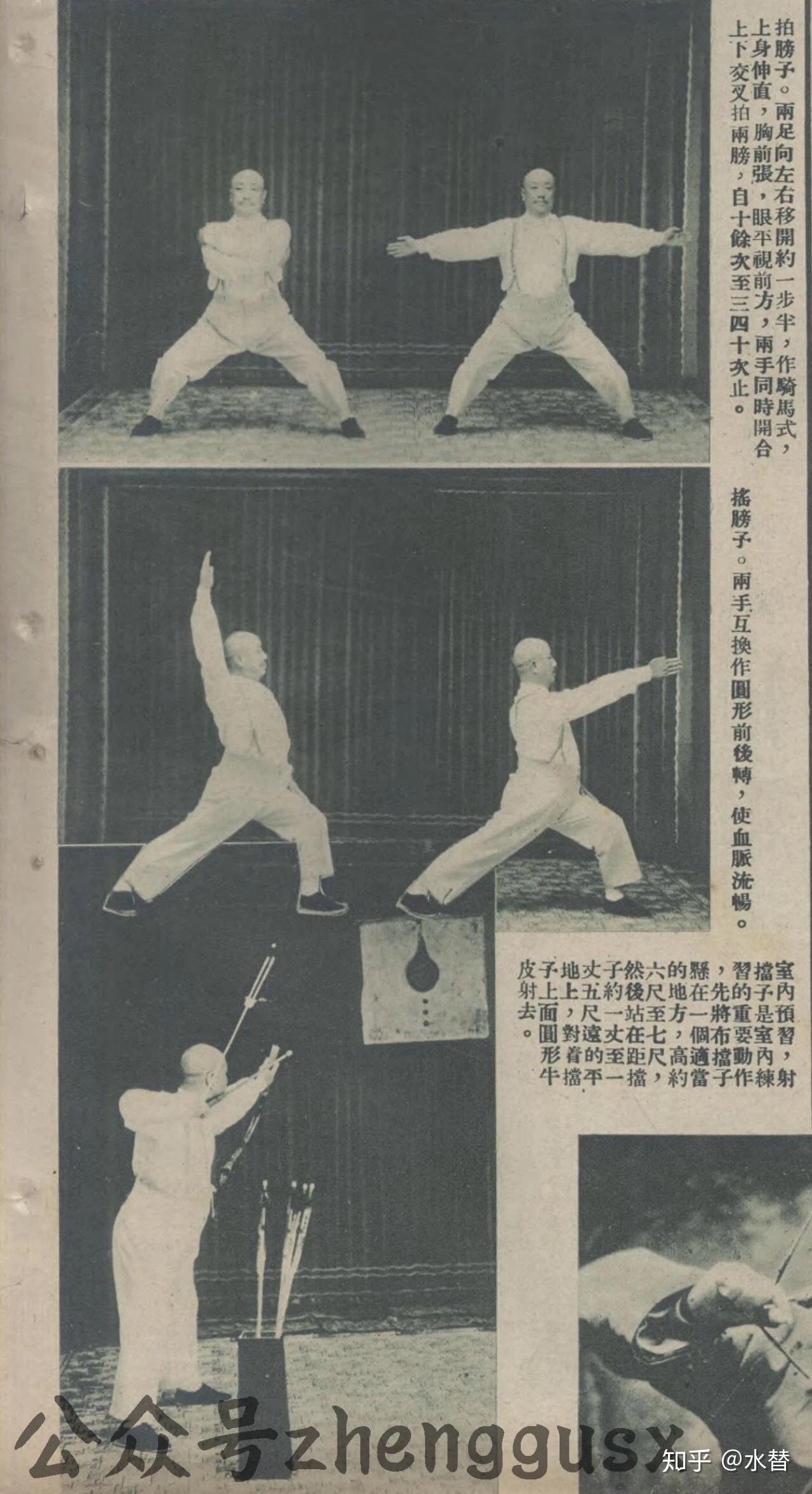
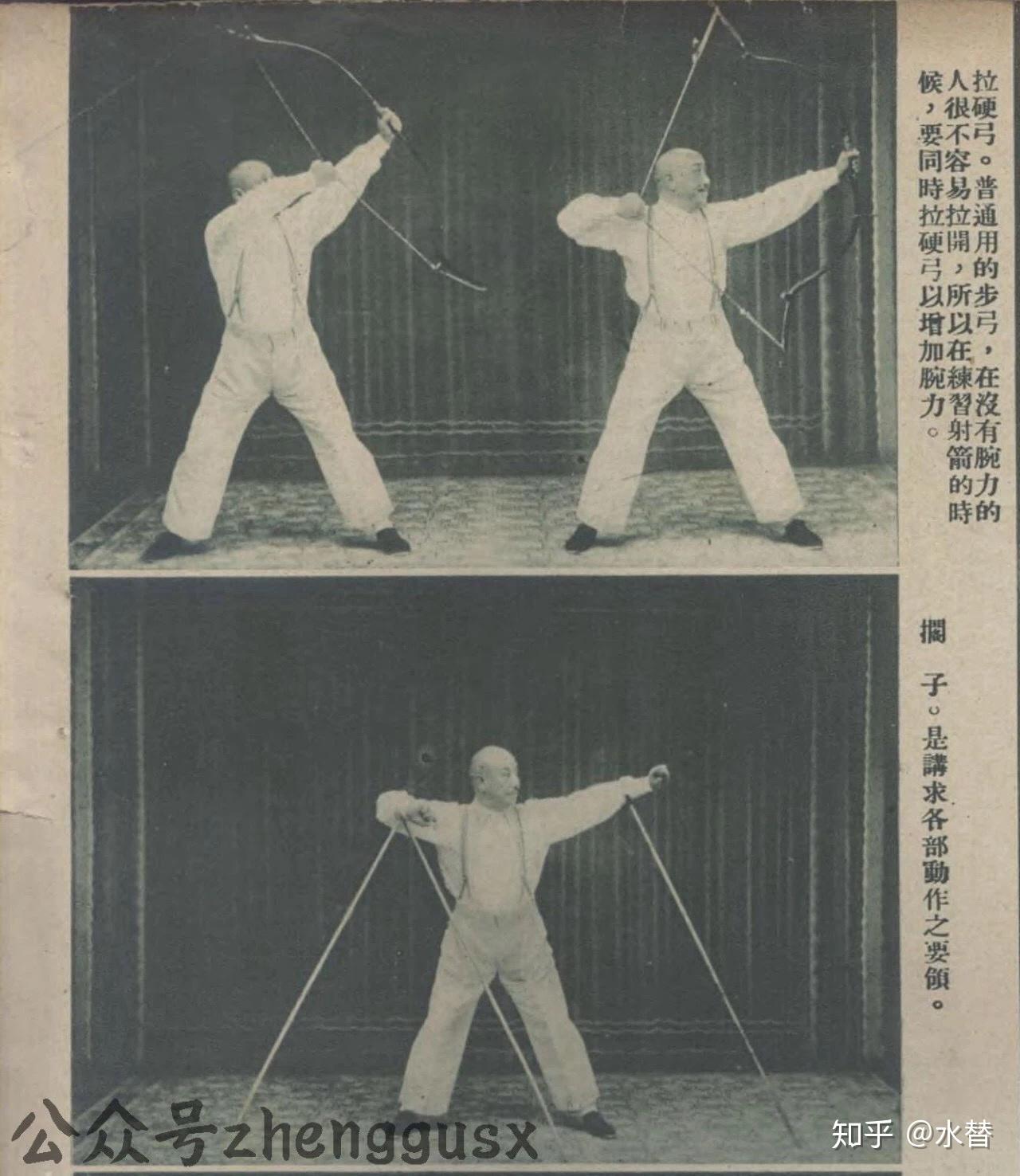
Zeng Pengchang performing stretches and heavy bow drawing. (Republican Era 1912 -1949 )
After that foundation is set, a close‑range target allows focused practice on clean technique and consistent release. Arrows should fly straight and strike with solid penetration; eye protection is recommended.
A Republican‑era manual, Research on the Art of Shooting (《射藝研究》) by Zeng Pengcheng (曾鵬程), describes a traditional method for home practice. A leather target—roughly the size and shape of a human face—is hung 6 chi (approx. 2.0 m) or 7 chi (approx. 2.3 m) above the ground. The archer shoots from 1 zhang (approx. 3.3 m) or 1 zhang 5 chi (approx. 5 m) using a bamboo bow and dangzi jian (挡子箭), a blunt‑headed arrow. The bow resembles a Manchu bow but lacks horn and sinew, making low‑poundage versions suitable for modern use. Heavy fabric should be hung behind the leather to safely catch the blunt arrows.
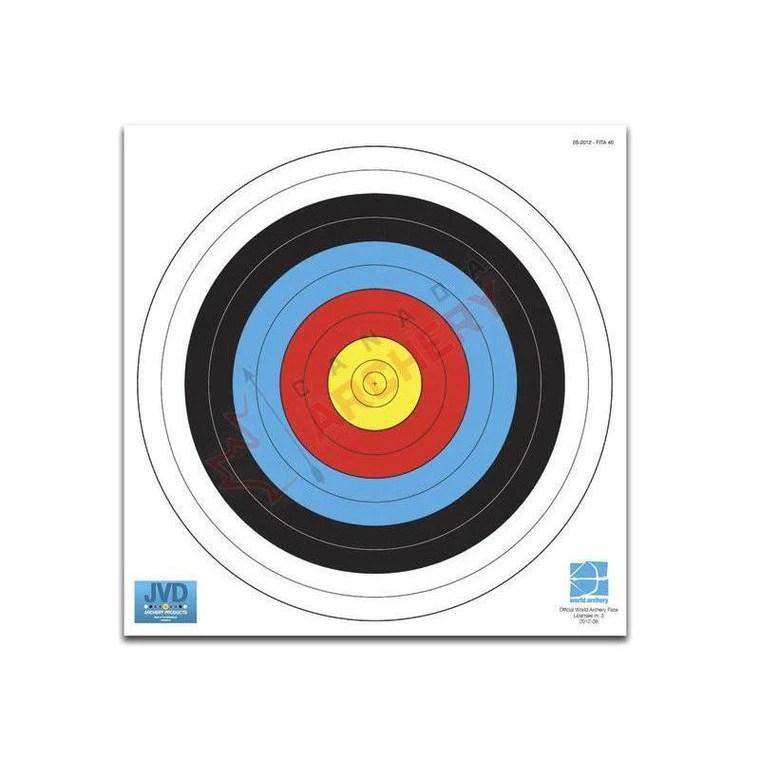
For modern indoor ranges, Liu Qi’s guidance on training yanli (眼力, “eye power”) from his Guide to Military Exam Archery remains remarkably applicable. He warns that large targets can encourage “wide eyes,” or scattered focus. To counter this, he recommends drawing five colored rings—blue, red, yellow, white, and black—matching the size of the central red circle on military‑exam targets. By placing this smaller target at a distance and training the eyes to distinguish the colors clearly, the archer develops precise visual focus. Olympic‑style recurve ring targets serve this purpose well within the 20–30 m limits of modern indoor ranges.
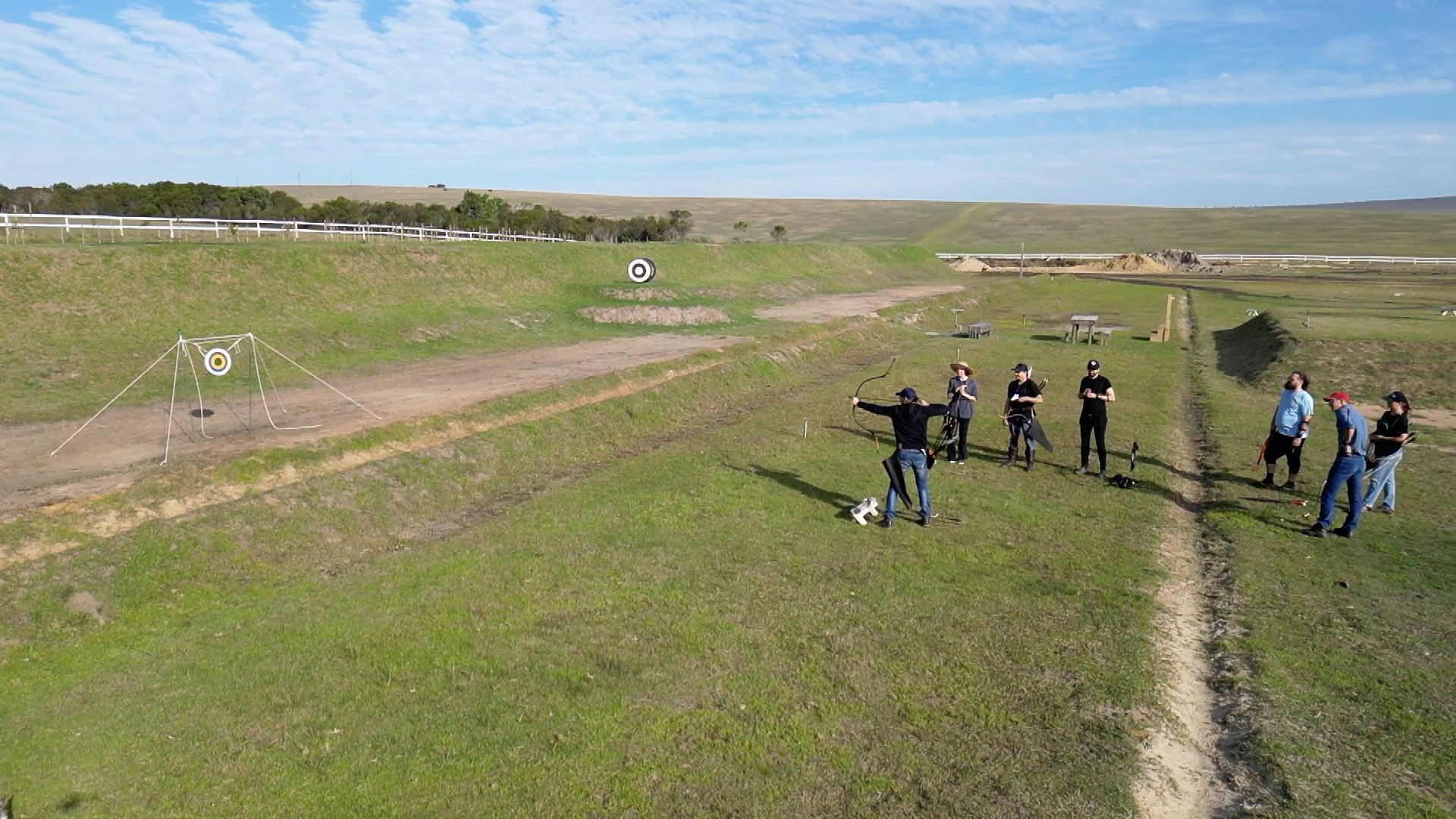
Outdoor Training
The following guidelines outline how to set up an outdoor range for foot archery, the primary focus of our association. Traditional Manchu military‑exam targets were placed at standardized distances of 48 m, 80 m, and 128 m, though shorter distances are perfectly acceptable—especially when using the ring targets described above.
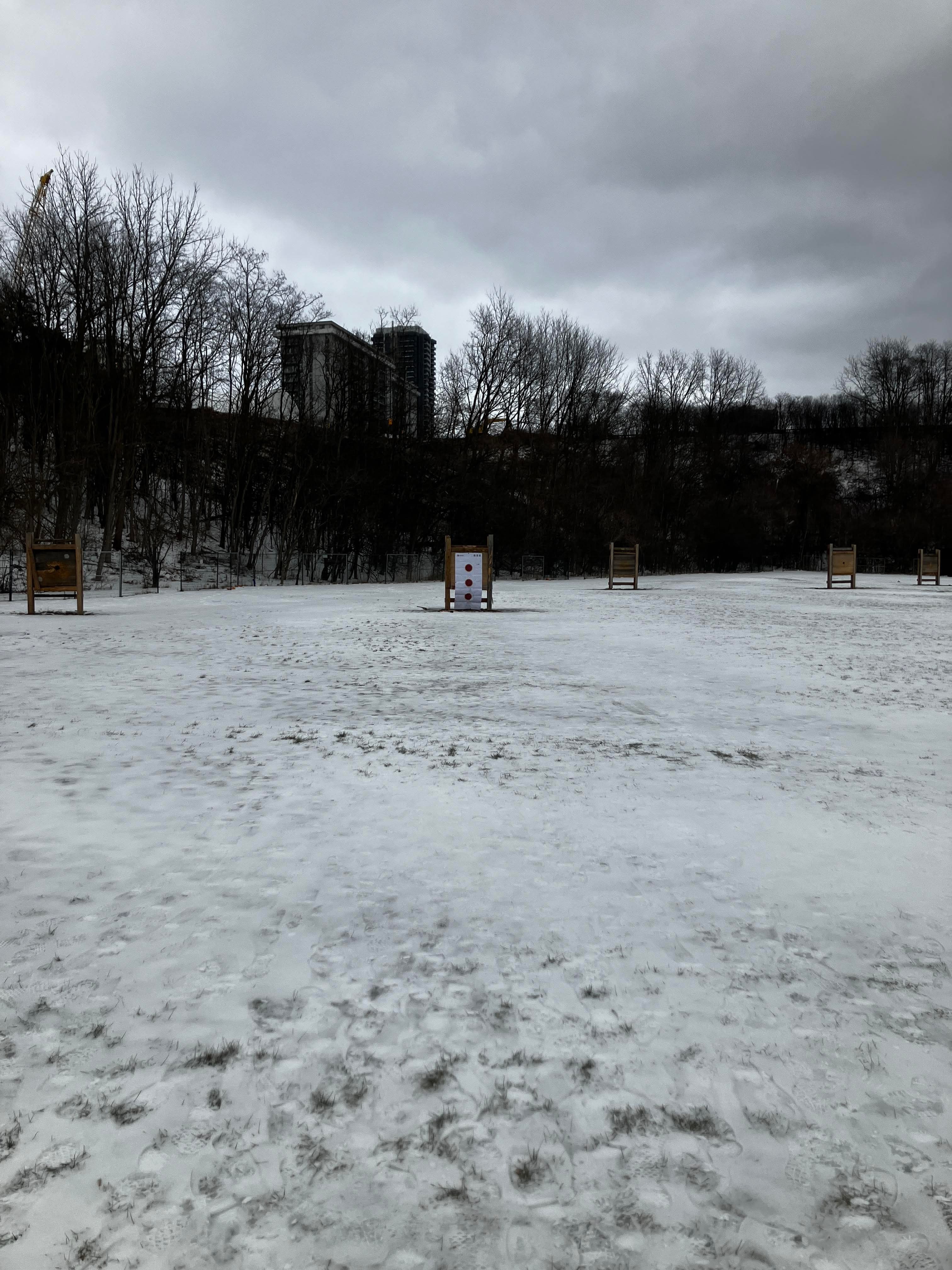
Historical sources such as Etien Zi, Zeng Pengcheng, and various Qing military‑examination records describe these targets in detail. They are rectangular and vary in size. Zeng Pengcheng notes a typical dimension of 5 chi 5 cun (176cm) in length by 2 chi 5 cun (80cm) in width, with some as narrow as 8 cun (26cm).
Deon, administrator of the South African Chapter, proposes a practical modern standard of 80 cm  × 180 cm (L), based on a Qing illustration for a target used at 30 bu or gong (approx. 48 m, bu refers to one step and gong is one bow) or more. Traditionally, the target was a simple cloth sheet supported by a free‑standing frame. The South African Chapter constructs these frames and may be contacted for details or potential purchase. Alternatively, as done by the Canadian Chapter, a banner can be hung over existing target blocks at your local range. The Hong Kong Chapter also have a similar design available.
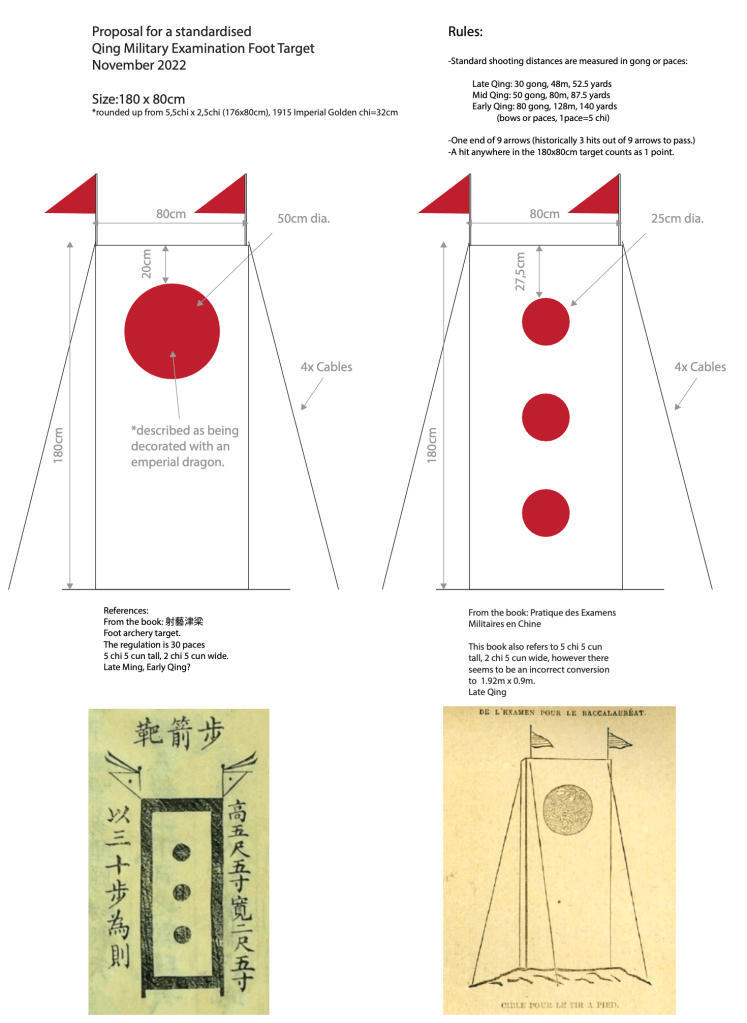
Targets may feature one or three red circles known as yuan guang (圆光, “light circles”). When three circles are present, the target is called a sanbai ba or the three cai target, symbolizing the trinity of Heaven, Earth, and Humanity.
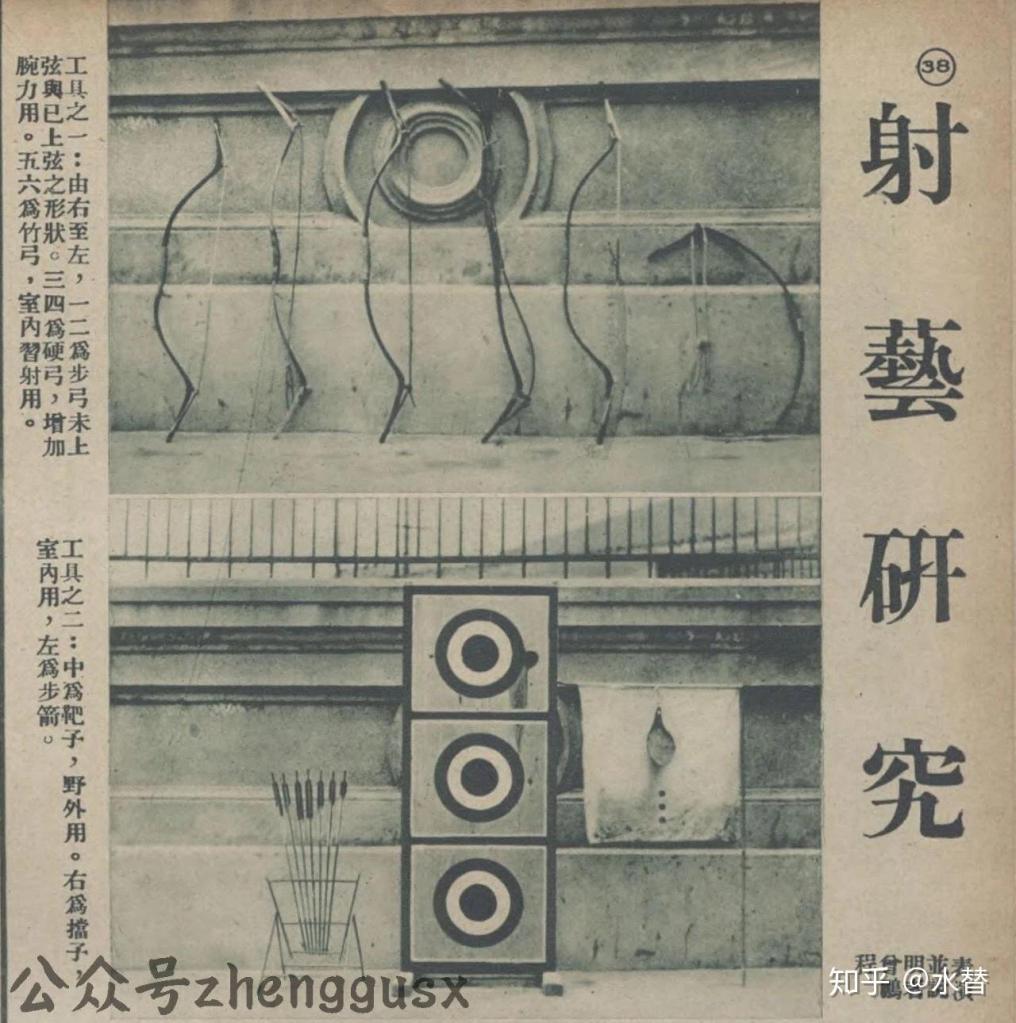
From right to left: 1 -2 are shooting bow, 3 – 4 are strength bow, 5 – 6 are bamboo bows for indoor shooting.
Standardizing the Facility
One of the goal of this association is to promote the use of the Qing military exam targets and outdoor shoot from 50m to 120m as the standards for Manchu archery. At the same time, we encourage the use of ring targets up to 30m for close distances and indoor practice to train one’s aim. Between 30m and 50m the examination targets can be used to prepared archers for the 50m to 120m standard shooting.
 International Manchu Archery Association 国际清弓协会 Gurutengge Manju Gabtan i Isanun